
Ferrous Sensor
\n\n\n\nSHR’s Ferrous Proximity Sensors are designed to use back-biased reed switch technology, a non-contacting method that allows them to detect the presence of ferrous targets without making physical contact.
\n\n\n\nOne of the most significant advantages of these sensors is that they do not have any moving external components, making them highly resistant to wear and tear. This feature makes them ideal for use in harsh environments, where other types of sensors may be prone to damage or malfunction.
\n\n\n\nAnother significant advantage of these sensors is their low power consumption in standby mode. Since they are not in use all the time, they do not consume power when they are idle, which helps to conserve energy and prolong battery life in applications that rely on battery power.
\n\n\n\nOverall, SHR’s Ferrous Proximity Sensors offer a reliable and efficient solution for detecting the presence of ferrous targets in a wide range of applications. Their non-contacting technology, durability, and low power consumption make them a popular choice for use in various industries.
\n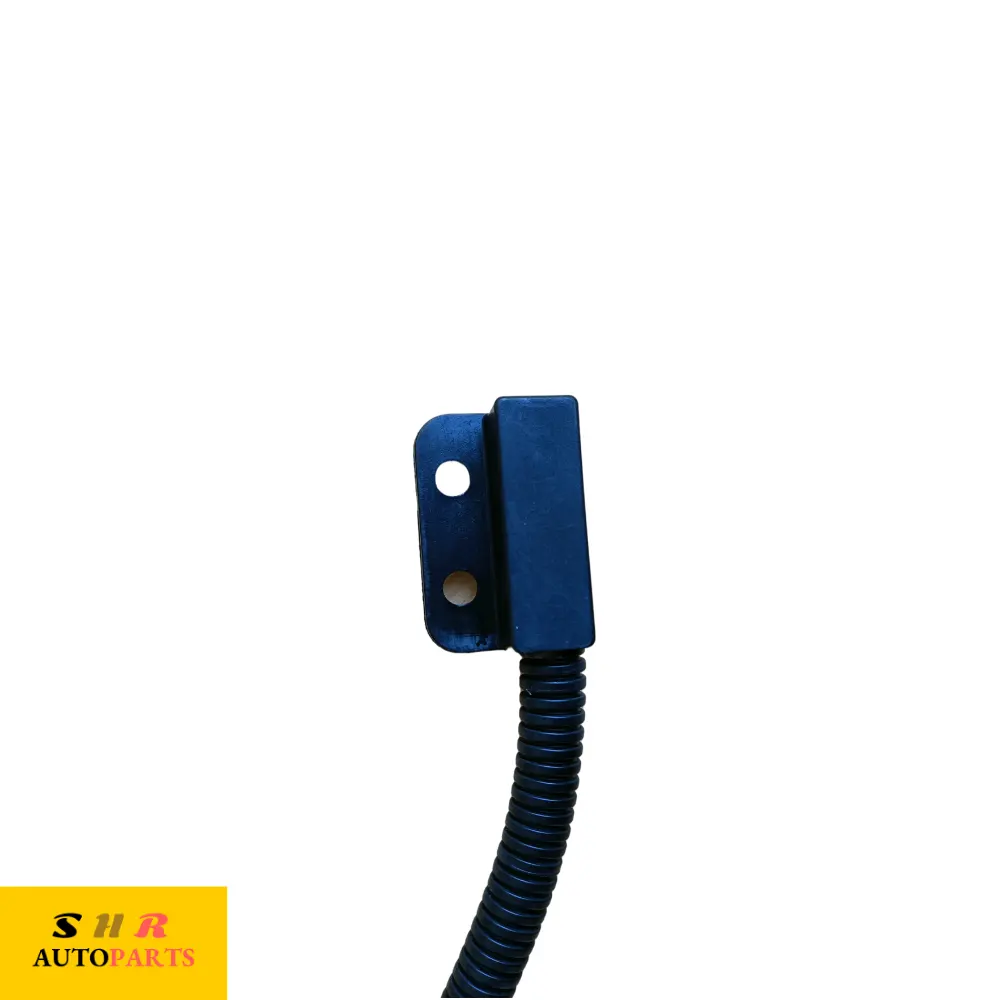
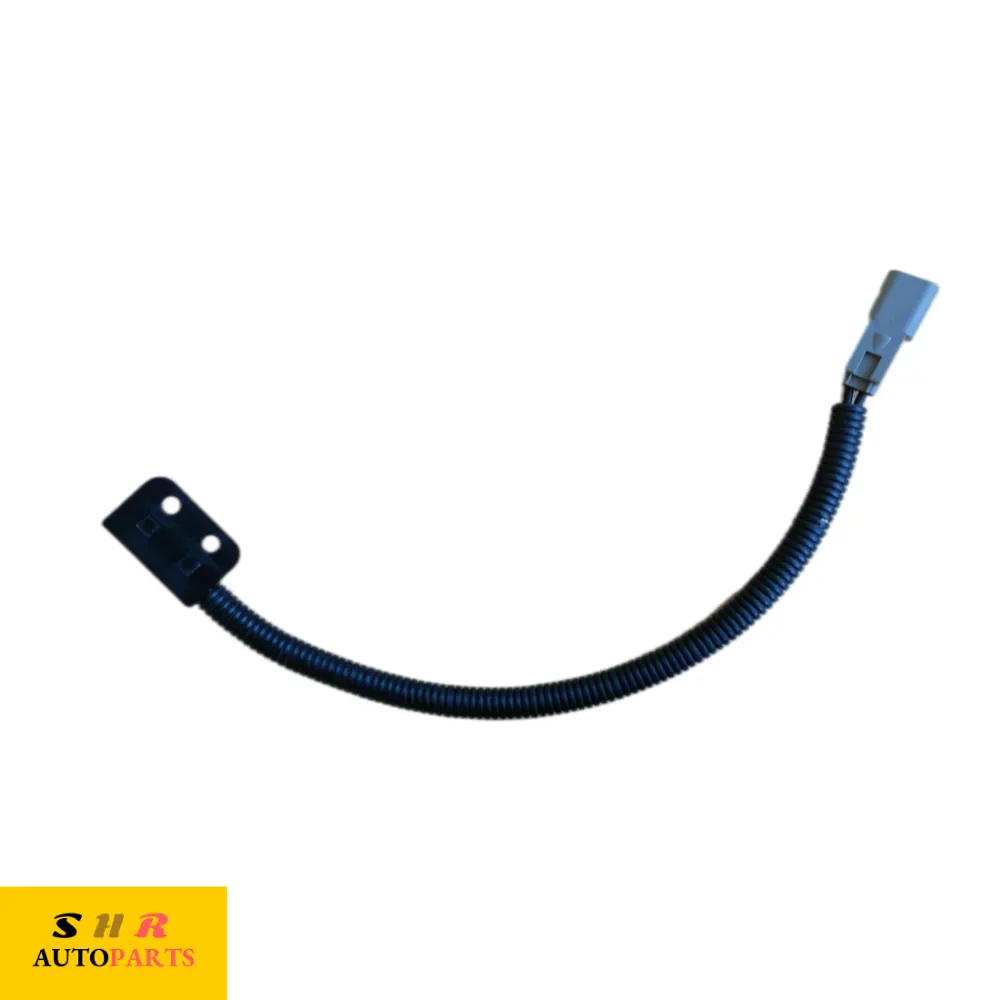
Reed switch type ferrous proximity sensors, also known as magnetic proximity sensors, have several advantages over other types of sensors:
\n\n\n\n- \n
- Non-contact sensing: Reed switch type ferrous proximity sensors do not require physical contact with the target object, which means they can detect objects without any wear and tear. \n\n\n\n
- High durability: Reed switch type ferrous proximity sensors have a long lifespan due to their durable construction and lack of moving parts. \n\n\n\n
- High sensitivity: Reed switch type ferrous proximity sensors are highly sensitive and can detect very small changes in magnetic fields, making them ideal for use in applications where precise detection is necessary. \n\n\n\n
- Low power consumption: Reed switch type ferrous proximity sensors require very little power to operate, making them ideal for use in battery-powered applications. \n\n\n\n
- Simple to use: Reed switch type ferrous proximity sensors are easy to install and use, requiring little to no maintenance. \n
Overall, the advantages of reed switch type ferrous proximity sensors make them a reliable and cost-effective solution for many industrial and consumer applications where the detection of magnetic fields is necessary.
\nCustomized shape available
\n\n\n\nNo power consumption standby
\n\n\n\nLong life
\n\n\n\nDifferent type connector
\n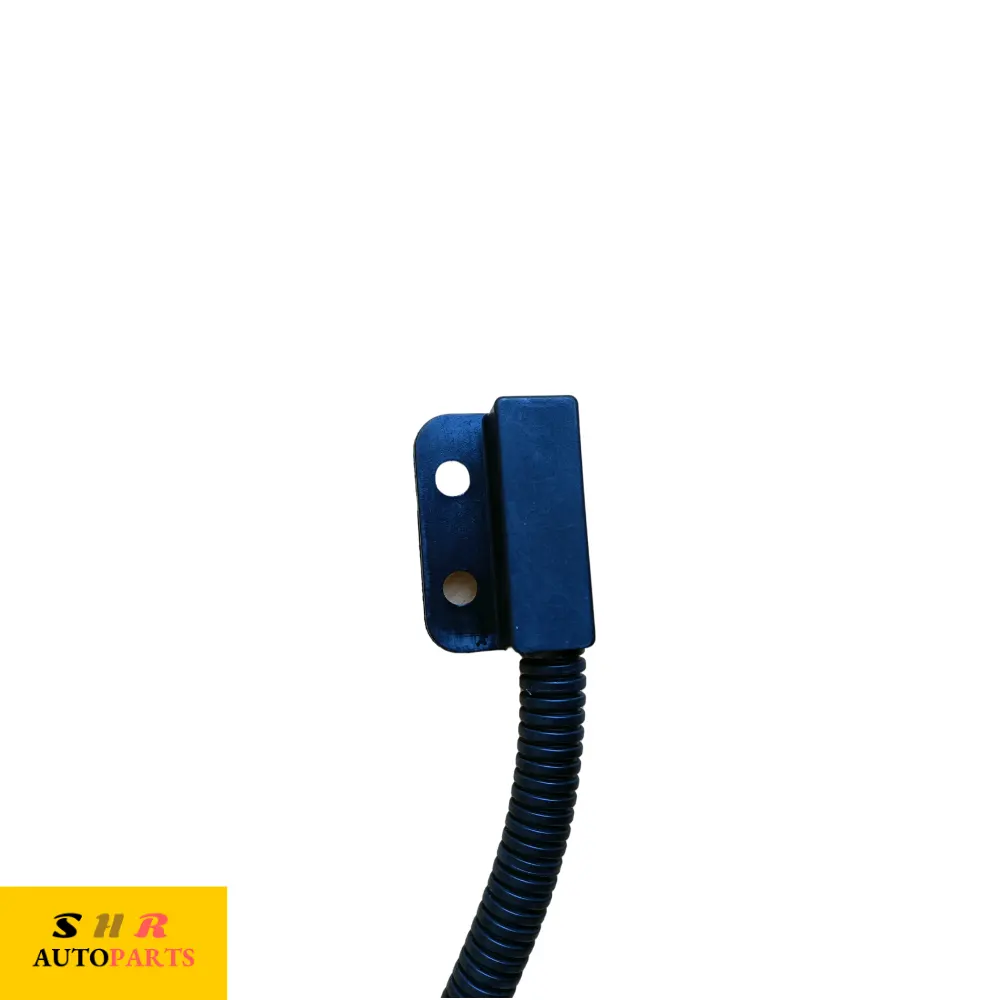
Ferrous Proximity Sensor FP3000 Steel Sensing Sensor Connector DT04-2P
FP3000
Ready to Order?
\nBrowse our 900+ NOx sensor models or request a custom quote today.
\n\nTechnical Diagram and Sourcing Notes
\nThis diagram illustrates the magnetic pickup principle and target gear relationship used when selecting ferrous proximity sensors.
\n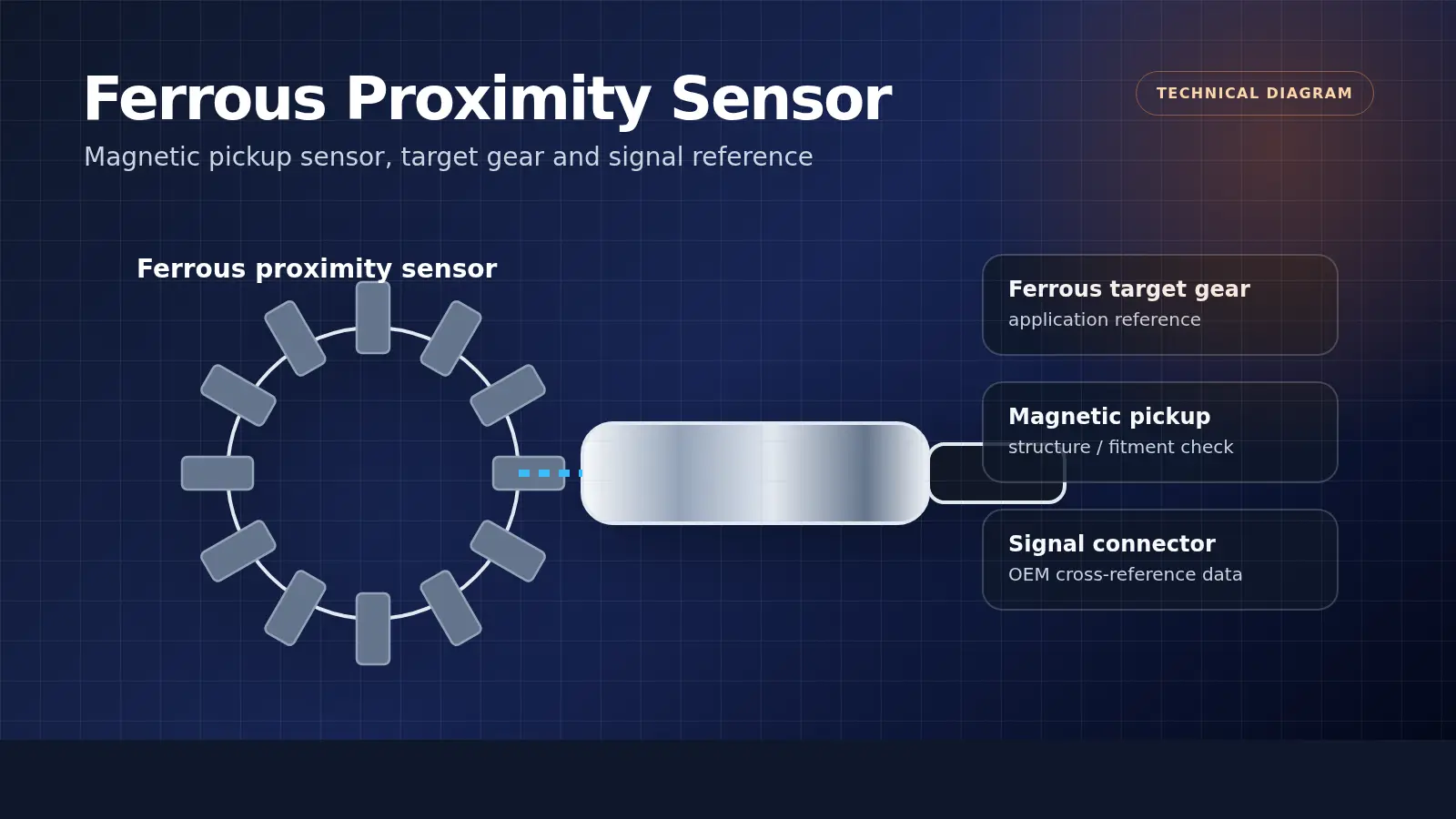
Technical guide and buying support
Review ferrous proximity sensor function, applications, and replacement basics for industrial and vehicle systems.
Ferrous proximity sensor selection checklist
Ferrous proximity sensor sourcing depends on target material, sensing distance, output type, housing, and connector.
Selection checklist
- Target material and required sensing distance
- Output type and supply voltage
- Housing diameter, thread and connector
- Vehicle, machinery or industrial application
Common symptoms
- Intermittent detection signal
- Wrong switching distance
- Cable or connector failure
- Sensor damage from vibration or contamination
What to send for RFQ
- Sensor model or photo
- Electrical output and sensing distance
- Quantity and application environment
Buyer FAQ
What details identify a ferrous proximity sensor?
Housing size, thread, connector, output type, voltage, and sensing distance are key identification details.
Can SHR Autoparts help match industrial proximity sensors?
Yes. Send the existing model number, photos, target material, and application environment for cross-reference support.
Related technical resources
Ferrous proximity sensor application resources
Review function, application environment, and replacement basics before confirming sensor model and wiring.
Ferrous Proximity Sensor Guide
Function, applications, and replacement basics for ferrous proximity sensors.
Read guideFP2000 Ferrous Proximity Sensor Applications Guide
Application-focused guide for FP2000 style ferrous sensors.
Read guide