
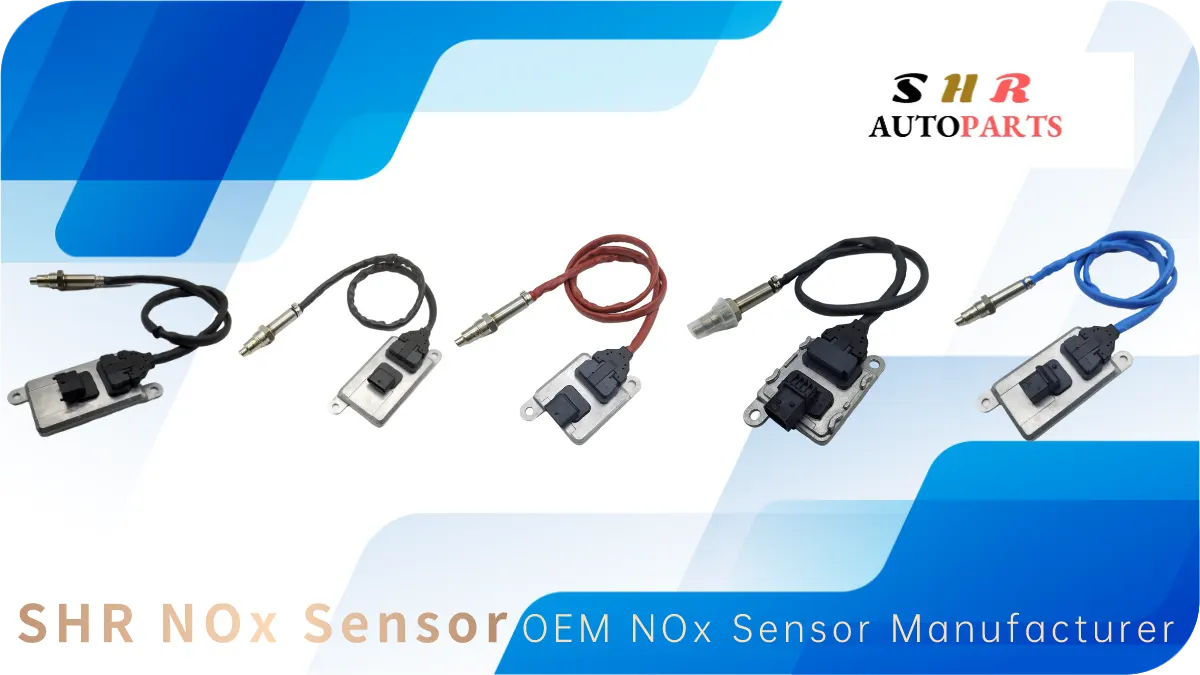
Flugzeugtriebwerke sind eine erhebliche Quelle von Stickoxid-Emissionen (NOx) und tragen zur Luftverschmutzung und Umweltzerstörung bei. Infolgedessen haben Flugzeughersteller fortschrittliche Technologien zur Emissionsreduzierung entwickelt, einschließlich der Verwendung von NOx-Sensoren.
\n\n\n\nIn Flugzeugtriebwerken verwendete NOx-Sensoren funktionieren auf ähnliche Weise wie diejenigen, die in anderen Verbrennungsquellen verwendet werden. Sie überwachen kontinuierlich die NOx-Emissionen in den Abgasen und übermitteln die Messwerte an die Motorsteuerung. Das Motorsteuerungssystem passt dann die Kraftstoffeinspritzung, das Luft-Kraftstoff-Verhältnis und andere Verbrennungsparameter an, um die NOx-Emissionen zu reduzieren.
\n\n\n\nOne key challenge in developing NOx sensors for aircraft engines is the need to make them lightweight, durable, and reliable, as they must operate in extreme conditions of temperature, pressure, and vibration. Manufacturers have developed NOx sensors using advanced materials and technology such as ceramics, thin films, and surface plasmon resonance.
\n\n\n\nDer Einsatz von NOx-Sensoren in Flugzeugtriebwerken wird zunehmend verpflichtend, da Flugzeughersteller aufgrund von Vorschriften strenge Emissionsstandards einhalten müssen. Mit diesen Sensoren können Flugzeughersteller sicherstellen, dass ihre Triebwerke diese Vorschriften einhalten und die Umweltauswirkungen von Flugreisen verringern.
\n\n\n\n\n\n\nRelated NOx sensor products
\n\n\nUse the products below as a starting point for cross-reference. If your engine, equipment, or turbine application is not listed, send the OE number, sensor label photo, connector shape, and quantity requirement for RFQ matching.
\n\n\n
-
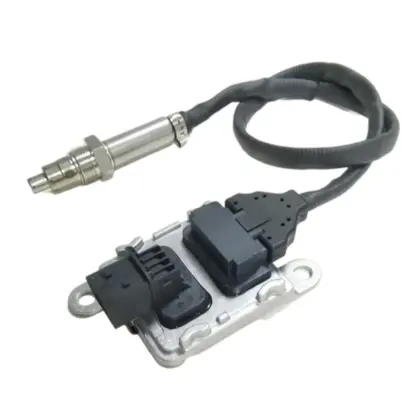
PACCAR MX-13 Forward NOx Sensor 2236409 12V
OE: 2236409Brand: DAF & PACCAR · PaccarMusterpreis $249.99In stock — 50 pcs
-
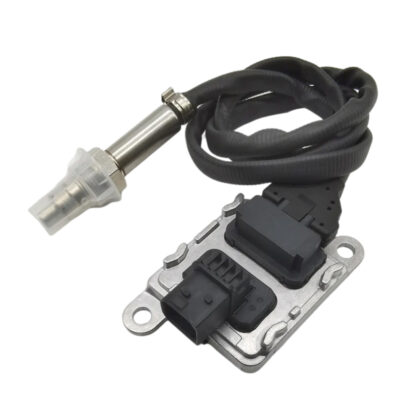
5WK96755A Nox-Sensor A2C95912900-01 Kubota Fendt SNS155A JCB Bobcat
OE: 5WK96755A · SNS155A · A2C95912900-01Brand: JCB · CumminsMusterpreis $249.99In stock — 50 pcs
-
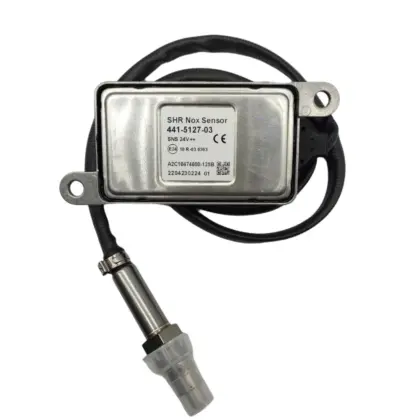
441-5127-03 NOx-Sensor 441-5127 CAT 5WK9 7354 HYN2937 4415127
OE: HYN2937 · 4415127 · 5WK9Brand: Caterpillar · HyundaiMusterpreis $249.99In stock — 50 pcs
-
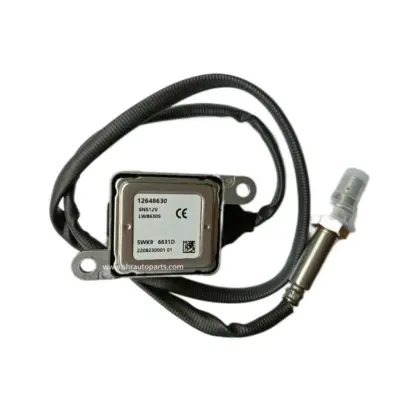
12648630 GM Duramax Diesel 6,6L NOX-Sensor 5WK9 6631D
OE: 12648630 · 6631D · 5WK9Brand: GMMusterpreis $249.99In stock — 50 pcs
-
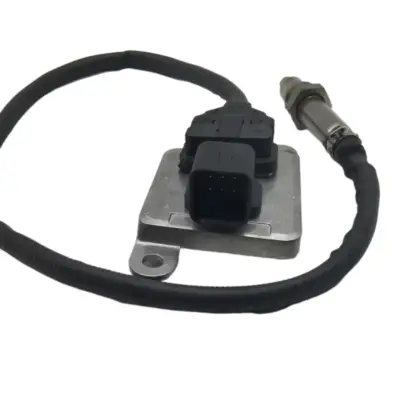
059907807N Audi 12V NOX-Sensor 5WK9 7441 VW
OE: 059907807N · 5WK9Brand: Audi & VWMusterpreis $199.99In stock — 50 pcs
-
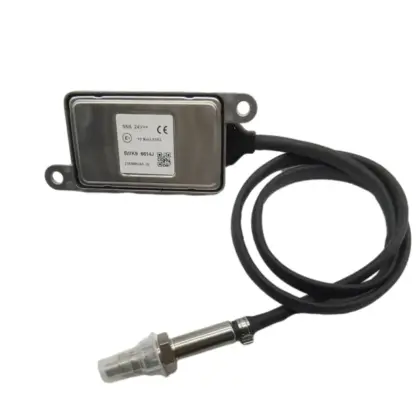
Stickoxid-Nox-Sensor 5WK9 6614J 8-Draht 24V 590mm
OE: 6614J · 5WK9Brand: CumminsMusterpreis $249.99In stock — 50 pcs
-
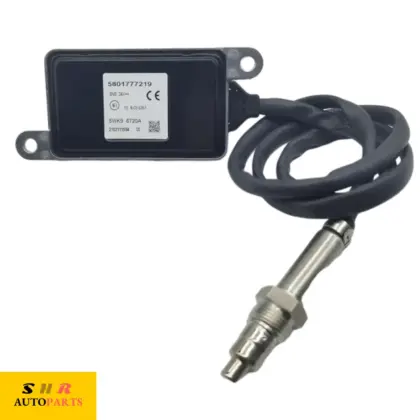
NOx-Sensor 5801777219 5WK9 6720A für IVECO Euro 6 24V 590mm
OE: 5801777219 · 6720A · 5WK9Brand: IVECOMusterpreis $249.99In stock — 50 pcs
-
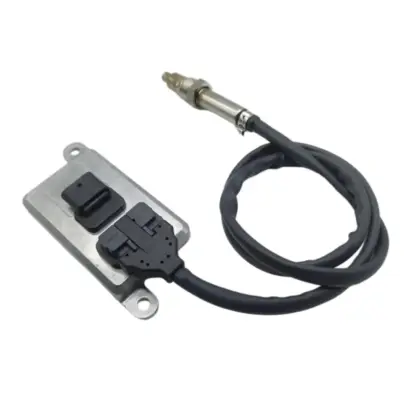
Nox-Sensor 5WK9 6733B für Iveco 5801754016 5801443021 5801273980
OE: 6733B · 5801754016 · 5801443021 · 5WK9Brand: Cummins · IVECOMusterpreis $249.99In stock — 50 pcs
-
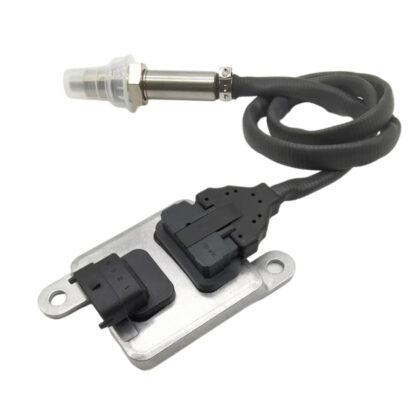
A0009055010 MB Nox Sensor A3C01718000-616 Mercedes-Benz
OE: A0009055010Marke: Mercedes-BenzMusterpreis $249.99In stock — 50 pcs
-
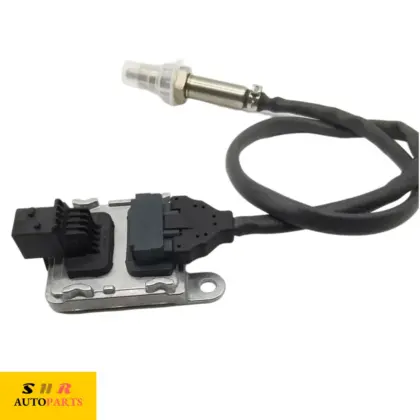
A2C95993800-01 NOx-Sensor 5WK9 6753B Cummins 4326869
OE: 6753B · 4326869 · A2C95993800-01 · 5WK9Brand: CumminsMusterpreis $249.99In stock — 50 pcs
-
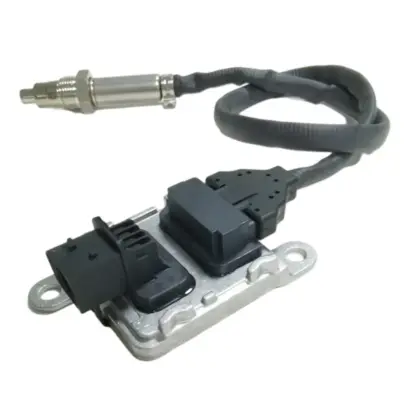
2236409PEX Paccar Nox-Sensor PACCAR 5WK9 6759C Kenworth Peterbilt Cummins
OE: 2236409PEX · 6759C · 5WK9Brand: DAF & PACCAR · PaccarMusterpreis $249.99In stock — 50 pcs
-
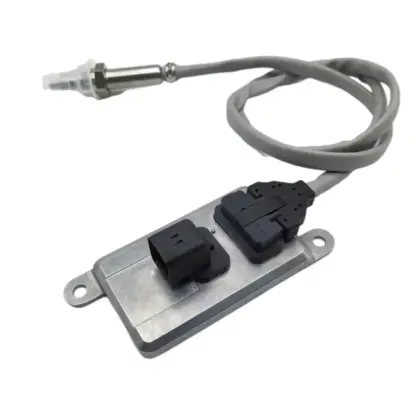
NOx-Sensor 441-5128-04 für Cater-Säule 4415128 Lambda-Katalysator 441-5128
OE: 4415128Brand: CaterpillarMusterpreis $249.99In stock — 50 pcs
Ready to Order?
\nBrowse our 900+ NOx sensor models or request a custom quote today.
\n\nAircraft Engine Types and NOx Requirements
\n\n\n\nAircraft engines present unique challenges for NOx sensor technology due to the extreme operating conditions, including high altitudes, temperature variations, and the need for absolute reliability. Modern aviation requires precise emission monitoring to meet stringent environmental regulations.
\n\n\n\nTurbofan Engines
\n\n\n\nTurbofan engines used in commercial and military aircraft require NOx monitoring at the exhaust. Modern turbofan designs focus on lean-burn combustion to reduce NOx formation. Our sensors are calibrated for the high-temperature, high-velocity exhaust streams typical of turbofan operations.
\nTurboprop Engines
\n\n\n\nTurboprop engines, common in regional aircraft and military transports, operate at different power settings than turbofans. NOx sensors for turboprop applications must be responsive across a wider range of operating conditions while maintaining accuracy at lower exhaust temperatures.
\nHelicopter Turboshafts
\n\n\n\nTurboshaft engines used in helicopters face unique vibration profiles and rapid power changes. Our aviation-grade NOx sensors are designed to withstand these conditions while providing accurate readings during dynamic flight operations.
\nAuxiliary Power Units (APUs)
\n\n\n\nAPUs generate electrical power and bleed air while aircraft are on the ground. APU emission monitoring is increasingly important as airports face stricter environmental regulations. Our sensors are suitable for APU exhaust monitoring applications.
\nAviation NOx Regulations
\n\n\n\nThe International Civil Aviation Organization (ICAO) sets NOx emission standards for aircraft engines through its Committee on Aviation Environmental Protection (CAEP). These standards have become progressively stricter:
\n\n\n\n- CAEP/2 Standards, Baseline NOx limits established in 1996
- CAEP/4 Standards, 12% reduction in NOx limits
- CAEP/6 Standards, Further 15% reduction applied to new engine types
- CAEP/8 Standards, Additional 10% NOx reduction requirements
- CAEP/10 Standards, Most recent and most stringent NOx limits
Accurate NOx measurement is essential for engine manufacturers to certify compliance with these evolving standards. Our aviation-grade sensors provide the precision and reliability required for this critical application.
\n\n\n\nSpecific Applications
\n\n\n\nEmission Testing
Engine certification and compliance testing require precise NOx measurement across the entire operating envelope.
Engine Health Monitoring
Changes in NOx output can indicate combustion chamber wear, fuel injector problems, or other maintenance issues.
Research & Development
New engine designs require extensive NOx monitoring during development to optimize combustion for lower emissions.
Ground Support Equipment
Aviation ground equipment with diesel engines also requires NOx monitoring, and our sensors are suitable for these applications.