
Phase 7F sourcing architecture
Temperature Sensor sourcing guide for coolant, engine and industrial applications
This hub is the buyer guide for temperature sensor inquiries. Use it to confirm the measurement role, connector, OE number and application before moving to the live catalog or RFQ.
Use this hub for
coolant temperature sensors / engine or compressor temperature sensors / industrial temperature sensor candidates / OE/photo/connector confirmation before sample or bulk order
Keep separate from
fluid or tank level sensors / DEF / AdBlue SCR tank level sensors / diesel fuel injectors and nozzles / general NOx sensor replacement searches
RFQ confirmation checklist
- Send OE/OEM or supplier part number
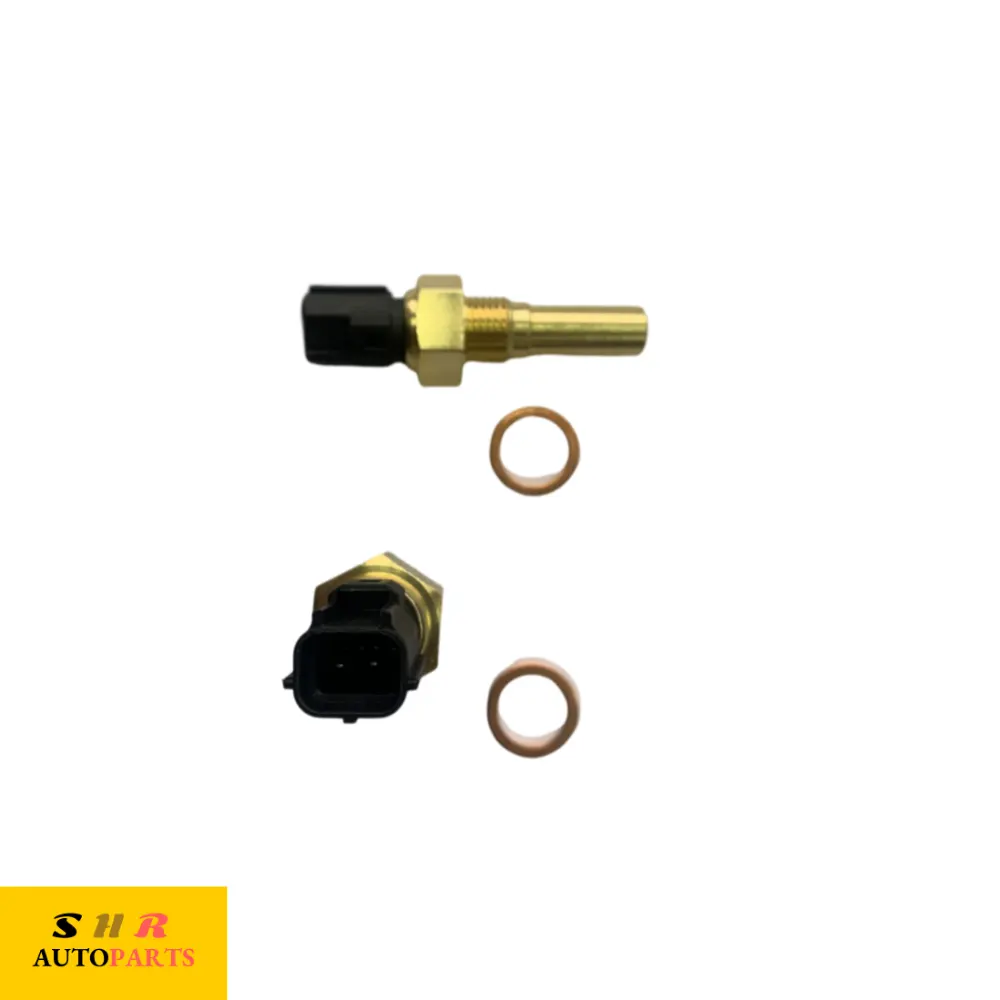
- Share front/back photos and connector pin count
- Confirm measured medium: coolant, air, oil, exhaust, compressor or industrial fluid
- Confirm quantity, destination and sample vs bulk path
Some legacy listings combine level and temperature wording. SHR should confirm the actual sensing function from OE number, photos and application before claiming fitment.
Introduce
An automotive temperature sensor is a device that measures the temperature of various components of a vehicle. It is used to monitor the temperature of the engine, transmission, coolant, oil, air conditioning system, and other parts of the vehicle that require temperature monitoring.
There are different types of temperature sensors used in automobiles, including thermocouples, thermistors, and resistance temperature detectors (RTDs). Each type of sensor operates on a different principle, but they all provide accurate temperature readings that can be used by the vehicle’s onboard computer to adjust various systems and ensure proper performance.
In addition to measuring temperature, some automotive temperature sensors are also designed to provide warnings or alerts when temperatures exceed a certain threshold, indicating potential issues or the need for maintenance. These sensors play a critical role in maintaining the safety and reliability of modern vehicles.
Automotive Temperature Sensor Type
There are several types of automotive temperature sensors used in modern vehicles, including:
- Thermocouples: Thermocouples consist of two different metals joined together, which produce a small voltage in response to temperature changes. They are commonly used to measure exhaust gas temperature and engine cylinder head temperature.
- Thermistors: Thermistors are temperature-sensitive resistors that change their resistance in response to temperature changes. They are used in engine coolant temperature sensors, air intake temperature sensors, and climate control temperature sensors.
- Resistance Temperature Detectors (RTDs): RTDs are temperature sensors that use a resistance element made of platinum, nickel, or copper. They are used in engine oil temperature sensors, transmission fluid temperature sensors, and exhaust gas temperature sensors.
- Infrared (IR) Sensors: IR sensors measure temperature by detecting the radiation emitted by objects in their field of view. They are used in tire temperature sensors, brake temperature sensors, and other temperature-sensitive parts.
- Bimetallic Temperature Sensors: Bimetallic temperature sensors are made up of two different metals with different coefficients of thermal expansion, which bend when exposed to temperature changes. They are used in thermostats and temperature switches.
Each type of temperature sensor has its own advantages and disadvantages and is selected based on the specific application and requirements of the vehicle’s systems.
Automotive Temperature Sensor Type
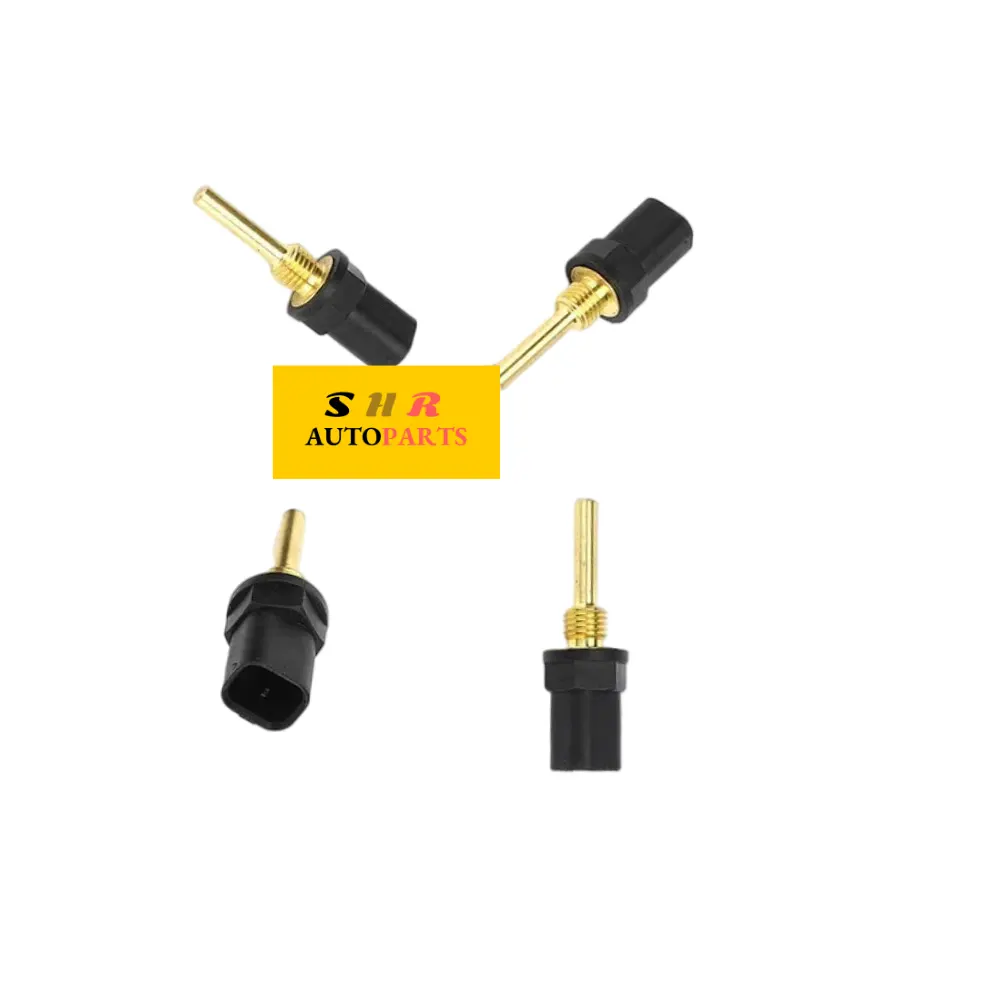
- Engine Coolant Temperature (ECT) Sensor: This sensor measures the temperature of the engine coolant and sends the information to the engine control module (ECM) to adjust fuel injection, ignition timing, and other parameters.
- Intake Air Temperature (IAT) Sensor: This sensor measures the temperature of the air entering the engine and sends the information to the ECM to adjust the air/fuel ratio.
- Transmission Fluid Temperature (TFT) Sensor: This sensor measures the temperature of the transmission fluid and sends the information to the ECM to adjust shift points and transmission fluid flow.
- Exhaust Gas Temperature (EGT) Sensor: This sensor measures the temperature of exhaust gases and helps to monitor the performance of the catalytic converter and other emission control components.
- Ambient Air Temperature (AAT) Sensor: This sensor measures the temperature of the air outside the vehicle and sends the information to the ECM to adjust cabin temperature control and other systems.
- Fuel Temperature Sensor: This sensor measures the temperature of the fuel and sends the information to the ECM to adjust fuel delivery and combustion.
- HVAC Temperature Sensors: These sensors are used to monitor the temperature of the cabin and adjust the climate control system accordingly.
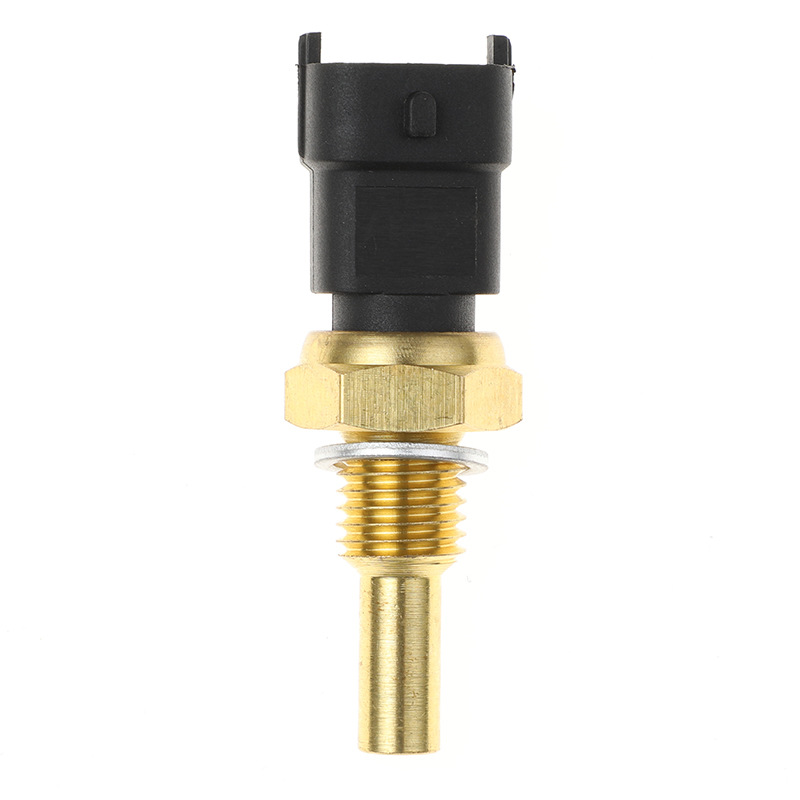
5pcs 21531072 VOLVE MACK Temperature Sensor
21531072 20513340
Customized Temperature Sensor Available
Customized automotive temperature sensors can be designed to meet specific requirements and applications. Some of the details that can be customized include:
- Temperature range: The temperature range of the sensor can be customized to measure temperatures that are outside of the range of standard sensors. For example, if a particular application requires temperature measurements up to 1000°C, a custom sensor can be designed to handle that temperature range.
- Accuracy: The accuracy of the sensor can be customized to meet specific requirements. Higher accuracy sensors may be required for critical applications such as engine temperature monitoring, while lower accuracy sensors may be suitable for less critical applications.
- Response time: The response time of the sensor can be customized to meet the needs of the application. For example, if a fast response time is required for a specific application, a custom sensor can be designed to provide a quick and accurate temperature reading.
- Durability: The durability of the sensor can be customized to meet the demands of the application. Sensors may need to be designed to withstand harsh environments, exposure to chemicals, or physical stress.
- Size and shape: The size and shape of the sensor can be customized to fit specific applications. In some cases, a standard sensor may not fit in the available space, and a custom sensor may be required.
- Wiring and connectors: The wiring and connectors of the sensor can be customized to fit the electrical requirements of the application.
Customized automotive temperature sensors can provide a solution for unique and challenging applications. It’s important to work with a reputable sensor manufacturer with experience in automotive applications to ensure that the sensor meets the required standards and certifications, and is designed to operate reliably and accurately in the intended application.
Ready to Order?
Browse our 900+ NOx sensor models or request a custom quote today.
Technical Diagram and Sourcing Notes
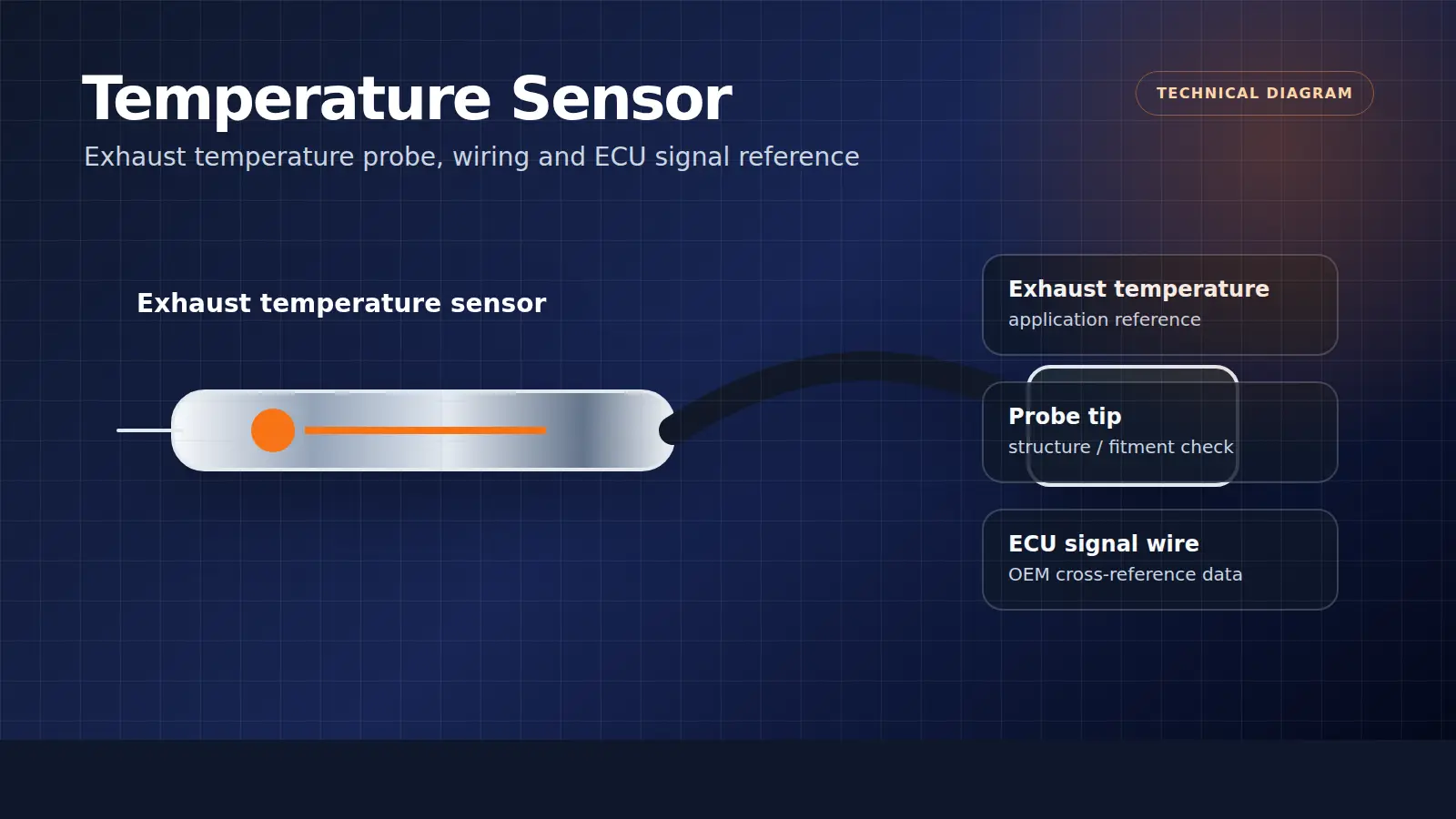
This diagram supports exhaust temperature sensor identification by showing the probe, cable, connector, and ECU signal path.
Technical guide and buying support
Review temperature sensor function, common issues, and replacement basics for diesel and industrial applications.
Temperature sensor buying checklist
Temperature sensor replacement should be checked against probe design, thread, connector, signal type, and application.
Selection checklist
- OE number or sensor body marking
- Probe length, thread and connector type
- Exhaust, coolant, oil, air or industrial application
- Operating temperature range and signal requirement
Common symptoms
- Unstable or implausible temperature reading
- Engine derate or exhaust temperature fault
- Broken connector, thread, or probe
- Warning light after DPF / SCR diagnostics
What to send for RFQ
- OE number and sensor photo
- Application and installation position
- Quantity and delivery country
Buyer FAQ
What photos help identify a temperature sensor?
Photos of the connector, probe, thread, and printed part number help SHR Autoparts confirm the correct sensor.
Are exhaust temperature sensors application-specific?
Yes. Probe length, connector, thread, and signal range can vary by engine and installation position.
Related technical resources
Temperature sensor diagnostics and replacement resources
Check temperature sensor function, diesel exhaust diagnostics, and replacement basics before confirming model fitment.
Temperature Sensor Guide
Function, common issues, and replacement basics for temperature sensors.
Read guideExhaust Temperature Sensors in Diesel Engines
Diagnostics and replacement context for modern diesel exhaust systems.
Read guide